
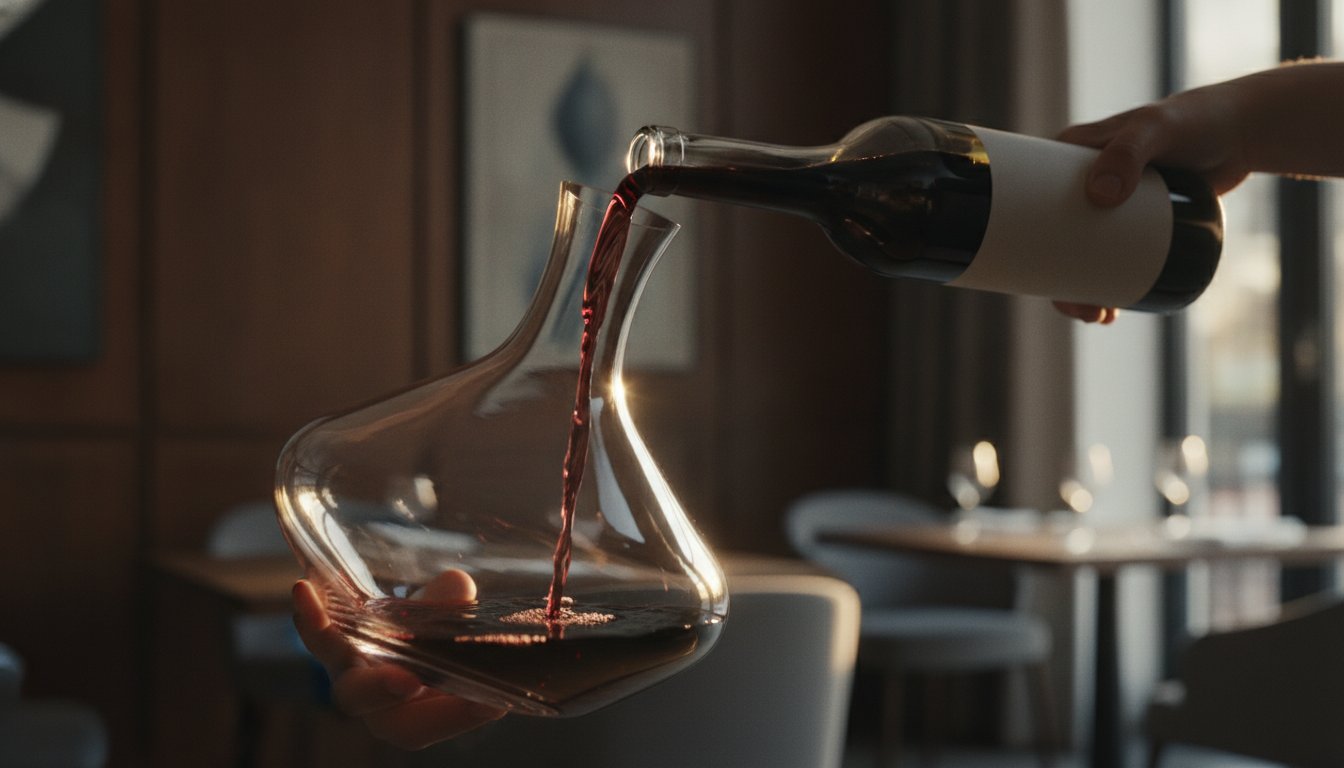
Is your favourite bottle of vintage Bordeaux reaching its full potential, or are you leaving half of its complex character trapped inside the glass? It's a question we often discuss at our family table, because the difference between a good glass and a truly transcendent one often comes down to knowing how to decant red wine correctly. Many wine lovers feel a flicker of anxiety when reaching for the decanter. It's natural to worry about over-breathing a delicate old Burgundy or accidentally clouding a clear pour with bitter sediment.
We believe that mastering this process is the ultimate mark of respect for the hard work of the winemaker. It's a bespoke intervention rather than a one-size-fits-all ritual. This guide will help you master the art of aeration to unlock hidden layers of aroma and achieve a velvet-smooth texture every time you serve. You'll gain the confidence to handle even the most precious vintage bottles with ease. We'll explore the science of aeration, the precise technique for removing sediment, and how to tailor your service etiquette to the specific age and structure of your wine.
Key Takeaways
- Understand the dual purpose of decanting, from softening tannins through aeration to carefully separating clear wine from bitter, natural sediment.
- Learn exactly how to decant red wine using a professional step-by-step method that begins with standing your bottle upright for 24 hours before opening.
- Discover how to adapt your technique for different regions, such as the vigorous aeration required for a robust Bordeaux versus the delicate care needed for an aged Burgundy.
- Master the nuances of service etiquette, including how to choose the ideal vessel and time your pour to prevent over-breathing or temperature spikes.
- Gain the expertise to handle vintage bottles with confidence, ensuring you honour the winemaker's craft and impress your guests with every glass.
Why Decant Red Wine? The Science of Aeration and Sediment
Decanting is the simple yet vital process of pouring wine from its bottle into another vessel. At Mosse and Mosse, we view this as the final act of stewardship for a bottle that has often travelled thousands of miles and aged for years in a dark cellar. Understanding what a decanter is goes beyond its aesthetic value on a dinner table; it's a functional tool designed to manage two specific elements: sediment and oxygen. When you master how to decant red wine, you're ensuring the glass you serve is the best possible version of that bottle.
Separating the Sediment
Sediment is a natural byproduct of the maturation process. Over several years, tannins and colour pigments bind together and settle as solids at the bottom of the bottle. These particles are particularly common in traditional, unfined wines from regions like Bordeaux. Whilst sediment isn't harmful, it tastes incredibly bitter and creates a muddy, unpleasant texture that masks the wine's true character. Sediment is a clear sign of a high-quality, unfined, or aged wine that has been crafted with minimal intervention. By decanting, you separate this bitter dreg from the clear, vibrant liquid above, preserving the wine's intended mouthfeel and silky elegance.
The Power of Aeration
Aeration is where the real magic happens. When red wine is exposed to oxygen, it triggers a chemical reaction that releases aromatic esters. This process "opens up" wines that might otherwise feel tight, closed, or shy. Many people think simply opening the bottle and letting it "breathe" is enough, but the narrow neck provides very little surface area for air contact. A wide-based vessel allows the wine to breathe properly, helping volatile compounds such as reductive sulphur notes to dissipate amongst the air. This interaction is essential for softening the aggressive, mouth-drying tannins found in younger, high-alcohol reds. It essentially mimics years of cellar ageing in just an hour or two. Learning how to decant red wine allows you to unlock these complex flavours, turning a tight vintage into a bold, expressive experience that fills the room with its bouquet.
How to Decant Red Wine: A Step-by-Step Guide
Success in decanting begins long before you pull the cork. If you're planning to serve a mature bottle from your cellar, you must stand it upright for at least 24 hours. Gravity is your best friend here; it allows every fine particle of sediment to travel from the side of the bottle to the base. Once you're ready, the uncorking ritual is about precision. Carefully remove the foil and wipe the neck with a clean cloth. This prevents any mould or dust that might have gathered under the capsule from contaminating the wine as it leaves the bottle.
When you're ready to pour, maintain a slow and steady stream. Don't stop and start, as this agitates the liquid and kicks up the sediment you've worked so hard to settle. This is the core of how to decant red wine with grace. If you're unsure about the structural integrity of an older cork, you can find more tips on how to properly decant wine to ensure the process remains seamless.
The Light Source Technique
Position a candle or a small torch directly under the shoulder of the bottle whilst you pour. This illuminates the glass from beneath, allowing you to see exactly when the clear wine ends and the sediment begins. Watch for a "cloudy" or "dusty" trail appearing in the neck. The moment you see the first speck of dark matter, stop pouring immediately. You'll likely have about a centimetre of wine left in the bottle. Don't waste it; you can filter this through a fine muslin cloth later for a personal glass, but it shouldn't go into the decanter.
Double Decanting for Events
For wedding wine services or large dinner parties, we often recommend double decanting. This involves pouring the wine into a decanter for aeration, cleaning the original bottle thoroughly with water to remove sediment, and then pouring the wine back in. It's a brilliant way to give the wine the air it needs whilst still presenting the beautiful, original label to your guests. If you're managing a large event and need help selecting the right volumes, get in touch with our team for tailored advice on your specific bottles.
In professional settings, such as the sophisticated event spaces at Serra On Vine, these meticulous service standards are essential for creating a truly high-end experience for your guests.

Decanting by Style: From Robust Bordeaux to Delicate Burgundy
One of the most common mistakes we see is treating every bottle with the same broad brush. A powerful Cabernet Sauvignon from the Left Bank is a world away from a delicate Pinot Noir from the Côte d'Or. Understanding how to decant red wine effectively means respecting these regional differences. Whilst a young, tannic bottle might need a vigorous "splash" decant to wake it up, an older, more fragile wine could collapse if exposed to too much oxygen too quickly. Our philosophy at Mosse and Mosse is that the decanter should always serve the wine, never overwhelm it.
Decanting Bordeaux and Bold Reds
Robust wines, particularly those from the Medoc, are built for the long haul. These Bordeaux blends often possess tightly wound tannins and concentrated fruit that benefit immensely from a bit of rough handling. For young, high-alcohol vintages, we suggest using a wide-based decanter to maximise surface area. Giving these wines 1 to 2 hours of air helps integrate the oak and fruit profiles, resulting in a more harmonious glass. You can consult recommended decanting times to ensure you don't leave your specific vintage out for too long, but generally, these bold reds are sturdy enough to handle the exposure.
The Burgundy Debate: To Decant or Not?
Regarding Red Burgundy, we tend to be far more cautious. Pinot Noir is a notoriously shy grape; its charm lies in its ethereal floral notes and delicate red fruit. Many enthusiasts believe that decanting Burgundy is a risk, as the wine can lose its most nuanced aromatics within minutes of hitting the glass. We only suggest decanting a Pinot Noir if you detect significant sediment or "reduction", which often presents as a struck-match smell. In most cases, it's better to let the wine evolve slowly in a large balloon glass. If you're unsure whether your bottle is ready for the table, contact us for professional advice on your specific vintage.
It's a persistent myth that all old wine needs hours of air. In reality, a forty-year-old bottle might only have fifteen minutes of peak life left once opened. If you decant it too early, you might find the fruit has vanished by the time you sit down to dinner. Always taste a small sip immediately after uncorking to judge the wine's vitality before committing it to the decanter. This careful approach ensures you honour the winemaker's craft and enjoy the bottle at its absolute best.
Perfecting the Service: Timing, Temperature, and Glassware
The final stage of service is where many enthusiasts stumble, often by neglecting the ambient environment. Temperature is the silent killer of a beautifully aerated wine. Whilst you are focused on how to decant red wine, the liquid is slowly creeping up to room temperature, which in a modern, heated home can easily reach 21°C or higher. This heat causes the alcohol to dominate and the fruit to feel flabby. We always recommend decanting in a slightly cooler spot, perhaps a pantry or a tiled hallway, to ensure the wine stays at a refreshing 16 to 18°C. If the bottle feels warm to the touch, don't be afraid to place the decanter in an ice bucket for five minutes before serving.
Your choice of vessel should reflect the wine's age. A young, vigorous red thrives in a wide-bottomed ship's decanter that provides maximum surface area. Conversely, a fragile vintage needs a narrow, upright vessel that limits oxygen contact once the sediment is removed. Once the evening is over, avoid the temptation to use dishwashing liquid. Soapy residues cling to the glass and can ruin the bouquet of your next bottle. Use hot water and specialised cleaning beads or a flexible brush to keep the crystal sparkling without affecting the wine's delicate aromatics.
Ideal Decanting Times
Timing your service is a fine art that depends on the structure of the wine. We generally follow these professional benchmarks:
- Young Reds (under 10 years): These benefit from 1 to 2 hours of air to soften aggressive tannins.
- Mature Reds (10 to 20 years): These only need 30 to 60 minutes to "stretch their legs" before service.
- Vintage Port: A heavy, fortified wine that requires 2 to 3 hours. For more detail on these complex bottles, see our Types of Port guide.
What if You Don't Have a Decanter?
You don't need expensive crystal to improve your wine's flavour. A clean glass water jug is a perfectly functional substitute, provided it's free from any lingering scents of juice or milk. If you're in a hurry, the "swirl" method in a large wine glass can work wonders. By swirling the wine vigorously, you're performing a mini-aeration with every movement. However, the quality of your glassware remains paramount. A high-quality, thin-rimmed glass allows you to appreciate the full spectrum of aerated aromas. For those hosting larger gatherings, serving from a magnum adds a sense of theatre and celebration that a standard bottle simply cannot match.
Elevate Your Next Bottle with Confidence
Mastering the art of service is the final step in truly respecting the winemaker’s craft. By understanding the delicate balance between oxygen exposure and sediment control, you ensure every bottle reaches its aromatic peak. Whether you're carefully extracting the clear essence of an aged Medoc or gently swirling a delicate Pinot Noir, your new-found expertise in how to decant red wine will transform your evening into a true connoisseur’s experience.
To complement your home practice, seeing these standards applied in a professional tasting setting can be invaluable. Wine Tours of Sedona offers customisable, private tours that allow you to explore the nuances of wine, beer, and chocolate under expert guidance.
At Mosse and Mosse, we're independent specialists in the finest French regions. We offer an expertly curated selection of bottles that are perfect for your next decanting experiment. Our family-led team provides a personalised service for every order, ensuring you find the ideal vintage to suit your specific palate and occasion. We believe quality should always trump branding, and we're here to guide you toward the hidden gems of Burgundy and Bordeaux.
Explore our curated selection of Bordeaux and Burgundy, perfect for your next decanting experience.
We invite you to uncork your next bottle with confidence. The perfect pour is now well within your reach, and we're excited to hear which region becomes your new favourite. Happy tasting.
Frequently Asked Questions
How long should I decant red wine before drinking?
Knowing how to decant red wine involves timing your service to the bottle's specific needs. Most red wines benefit from 30 minutes to two hours of air, depending on their structure and age. For a young, tannic bottle under ten years old, we suggest allowing two hours to let the flavours fully unfurl. Older vintages are more delicate; they often reach their peak within 30 to 45 minutes of being opened.
Can you over-decant a wine and ruin it?
Yes, it's entirely possible to over-decant a wine, particularly a fragile older vintage. Excessive oxygen exposure eventually leads to oxidation, causing the vibrant fruit notes to flatten and the complex bouquet to dissipate. Whilst a robust young wine can withstand several hours, a forty-year-old Burgundy might fade within twenty minutes. We recommend monitoring your wine closely and serving it as soon as the aromas feel expressive and open to avoid losing its character.
Which red wines do NOT need decanting?
Light-bodied red wines such as Pinot Noir, Gamay, or young Valpolicella typically don't require decanting. These varieties rely on delicate floral notes that can be lost if exposed to too much air. Similarly, inexpensive bottles intended for immediate consumption rarely have the complexity or sediment to warrant the process. Unless you detect a "struck match" reductive scent or significant sediment in an aged bottle, these varieties are best enjoyed poured straight into your glass.
Should I decant an old vintage wine differently than a young one?
You must adapt your technique based on the bottle's age because the primary goals are different. When considering how to decant red wine that's young, your aim is vigorous aeration to soften harsh tannins. For a vintage bottle, the process is a gentle operation focused on separating clear wine from bitter sediment. You should use a candle or torch to watch the shoulder of the bottle, stopping the pour the second the liquid turns cloudy or dusty.
Is it necessary to decant white wine or rosé?
Whilst it isn't strictly necessary, certain full-bodied white wines or rosés can benefit from a brief period of aeration. Complex, oaked Chardonnays or aged Rieslings often reveal hidden layers of flavour after fifteen minutes in a decanter. If a white wine smells slightly "tight" or has a faint sulphur note upon opening, a quick decant can help those unwanted aromas dissipate whilst allowing the fruit profile and texture to shine more brightly.
What is the best way to clean a wine decanter without chemicals?
The most effective way to clean your vessel is using hot water and mechanical agitation rather than soapy detergents. Soap leaves a persistent residue that can ruin the bouquet of your next favourite bottle. We suggest using specialised stainless steel cleaning beads or a flexible decanter brush to reach the base. Swirl the beads with warm water to gently scrub away tannin stains, then allow the decanter to air-dry thoroughly upside down on a dedicated stand.


