Alsace is France’s most aromatic paradox, where Germanic structure meets a French gastronomic soul under the protective rain shadow of the Vosges Mountains. We know that choosing an alsace white wine can often feel like a gamble, especially when you're faced with complex labels and uncertainty about sweetness levels. It's a frustration we've heard often whilst speaking with fellow enthusiasts at our tasting events, and it's exactly why we take such a personal, hands-on approach to our selection. As a boutique family business, we believe you deserve to feel confident in every bottle you cellar or pour.
In this expert-led guide, we promise to peel back the layers of this sun-drenched region, from the four noble grape varieties to the 2021 labelling laws that have finally made sweetness scales mandatory. You'll learn how to identify the nuances of terroir that make these wines so distinctive and world-renowned. We'll also provide practical advice on food pairings, ensuring you know exactly which bottle to reach for when serving a spicy curry or a hearty British Sunday roast. Let us guide you through the vibrant, high-end specialisations that make this region a true favourite amongst connoisseurs.
Key Takeaways
- Understand how the Vosges Mountains' rain shadow creates the exceptionally dry, sunny conditions that define the character of alsace white wine.
- Identify the four "noble" grape varieties and learn why they are the only grapes permitted for the region's prestigious Grand Cru designations.
- Master the nuances of Alsatian labelling, including how to use the mandatory sweetness scales to distinguish between dry and mellow styles with confidence.
- Discover why these aromatic wines are a sommelier's secret weapon for versatile pairings, from delicate seafood to a traditional British Sunday roast.
- Learn the distinctions between AOC Alsace, Grand Cru, and the traditional-method Crémant d’Alsace to help you curate a more sophisticated personal cellar.
The Unique Character of Alsace White Wine
Alsace is a region that wears its history on its sleeve, or rather, in its bottles. Unlike many other French regions where blends are the norm, an alsace white wine is almost always a celebration of a single variety. This commitment to purity is legally protected under the AOC system, requiring that a wine named after a grape contains 100% of that variety. You'll recognise these wines instantly by their tall, slender bottles known as the "Flûte d’Alsace." Historically, this region has been a tug-of-war between France and Germany, and that dual heritage is exactly what gives the wines their inimitable personality.
Terroir and the Vosges Rain Shadow
The secret to the region's success lies in its geography. The Vosges Mountains act as a giant natural umbrella, shielding the vineyards from the wet Atlantic weather systems. This "Rain Shadow" effect makes the Alsace wine region one of the driest in all of France. Whilst other regions might struggle with rot or diluted flavours in wet years, Alsatian vines enjoy long, sun-drenched autumns. These extended ripening periods allow the grapes to develop intense aromatic complexity without losing their vital acidity. The ground beneath the vines is just as varied. You'll find a patchwork of limestone, granite, and even volcanic soils, each imparting a specific mineral fingerprint to the finished glass.
French Soul vs. Germanic Structure
It's easy to look at the Germanic grape names and assume these wines will be sweet like their neighbours across the Rhine. However, the Alsatian philosophy is distinctively French. Most producers here ferment their wines to be bone-dry, focusing on weight, texture, and a broad palate. We often describe these as "gastronomic wines." They aren't just for sipping on a terrace; they are built for the dinner table. You get the aromatic lift of a German Riesling but with a structural richness and power that is purely French. This combination of Germanic precision and French soul is what makes alsace white wine such a staple in our own collections. It offers a level of versatility that few other regions can match.
The Four Noble Grapes: A Connoisseur’s Framework
Whilst the region grows several varieties, the "Noble Grapes" represent the pinnacle of quality. This designation is a strict legal classification; only these four varieties are permitted to be planted in the 51 prestigious Grand Cru sites. This ensures that the most exceptional terroirs are reserved for grapes that truly express the land’s potential. Choosing an alsace white wine with a "Noble" pedigree ensures you are tasting the most refined expression of the vineyard’s character, backed by centuries of tradition.
Riesling and Pinot Gris: The Age-Worthy Titans
Riesling is the undisputed king of the region. Unlike its often-sweeter German counterparts, Alsatian Riesling is celebrated for being bone-dry, structural, and intensely mineral. It's the benchmark for anyone seeking a white wine with nerve and precision. If you're looking for something with more weight, Pinot Gris is the answer. It offers a rich, almost oily texture that is worlds apart from the light, zesty Italian Pinot Grigio. In fact, many of our clients find its broad, savoury profile reminiscent of a fuller white burgundy wine. A top-tier Grand Cru Riesling possesses incredible longevity, often evolving beautifully in the cellar for well over 15 years.
Gewürztraminer and Muscat: The Aromatic Specialists
Gewürztraminer is perhaps the most recognisable variety in the region. Its name literally translates to "Spicy Traminer," a nod to the heady, exotic bouquet of lychee, rose petals, and ginger that leaps from the glass. It's a powerhouse of flavour that demands equally bold food. Muscat d'Alsace is rarer but equally captivating. It differs from other Muscats by being fermented dry, offering a pure, crunchy "grapey" flavour. Producers typically use two clones: the traditional Muscat à Petits Grains and the more modern Muscat Ottonel. To experience their vibrant, floral freshness at its peak, we recommend enjoying these aromatic styles within three to five years of the vintage.
If you're unsure which variety best suits your palate or an upcoming dinner party, please get in touch with our team for a personal recommendation based on our latest curated selections.

Navigating Alsace Labels: Grand Cru and Sweetness
Decoding an alsace white wine label can feel daunting at first glance, but the hierarchy is actually quite logical once you understand the framework. There are three primary appellations. AOC Alsace covers the majority of production, focusing on varietal expression. For those who enjoy traditional-method bubbles, Crémant d’Alsace is the designated category for sparkling wines. At the top of the pyramid sits AOC Alsace Grand Cru, a title reserved for the most exceptional vineyard sites in the region.
Understanding Alsace Grand Cru
There are 51 officially delimited Grand Cru vineyards scattered along the foothills of the Vosges. These sites represent the absolute pinnacle of Alsatian terroir. Each vineyard has its own unique geological identity, from the steep, volcanic slopes of Rangen to the limestone-rich marl of Schlossberg. Because these locations are so distinct, top producers are increasingly moving towards terroir-specific labelling. They want the vineyard's name to carry as much weight as the grape variety itself. To qualify for this elite status, the wine must be produced from a single named vineyard and, with very few exceptions, must be made from one of the four noble grapes.
Dry, Off-Dry, or Sweet? Reading the Indice
One of the most common frustrations amongst wine lovers is the uncertainty regarding sweetness. Since many Alsatian wines possess a naturally rich texture and high extract, even a technically dry wine can feel quite opulent on the palate. To solve this, many producers have adopted the "Indice" system, a scale from 1 to 5 usually found on the back label. It's a simple, effective guide for the consumer:
- Indice 1: Bone dry and crisp.
- Indice 2: Off-dry with a subtle, rounded fruitiness.
- Indice 3: Medium-dry, offering a balanced sweetness.
- Indice 4: Mellow or "moelleux," perfect for spicy dishes.
- Indice 5: Lusciously sweet and concentrated.
For those seeking true dessert wines, look for the terms "Vendanges Tardives" (Late Harvest) or "Sélection de Grains Nobles." These wines are made from grapes left on the vine to concentrate their sugars, with the latter requiring the presence of botrytis, or "noble rot," to create complex, honeyed flavours. If you prefer a bone-dry style, keep an eye out for the word "Sec" on the label, which guarantees a clean, dry finish. If you're still unsure which style best fits your menu, please get in touch with our team for a personal recommendation.
Gastronomy and Curation: Why Alsace Belongs in Your Cellar
Alsace is often the secret weapon of the world’s finest sommeliers. Its unique combination of high acidity, aromatic intensity, and structural weight makes it incredibly versatile at the table. We’ve found that many of our customers initially hesitate, fearing these wines are reserved solely for spicy Asian cuisine. Whilst they do pair beautifully with a bit of heat, an alsace white wine is equally at home alongside traditional French and British fare. It’s about finding that balance between the wine’s texture and the richness of the dish, a philosophy we champion at our own tasting events.
Classic Food Pairings for Alsace White Wine
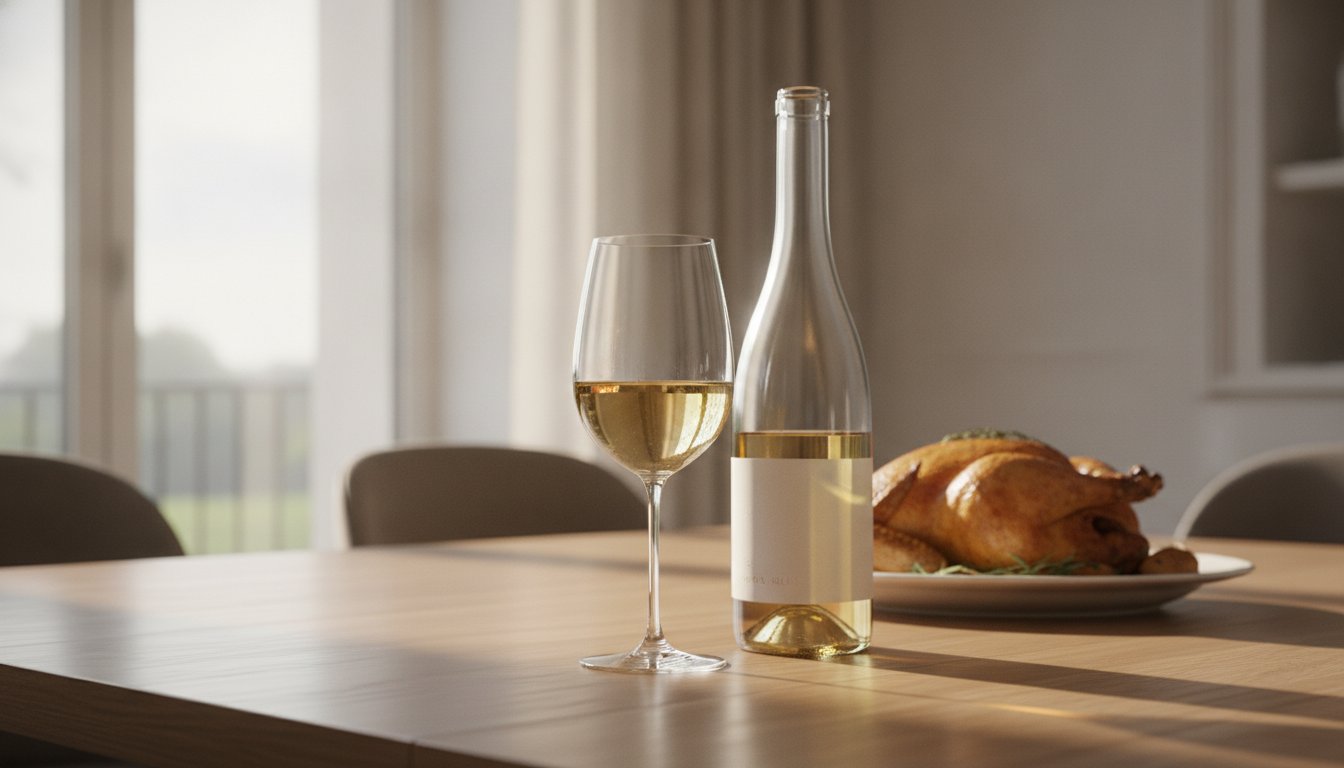
For a truly authentic experience, pair a dry Riesling with oily fish like mackerel or a traditional Alsatian choucroute garnie. The wine’s piercing acidity cuts through the fat perfectly, refreshing the palate with every sip. If you’re planning a Sunday roast, a Pinot Gris offers the necessary body and earthy undertones to complement roast poultry or creamy mushroom-based dishes. It’s a sophisticated choice that frequently appears in our wedding and party wine selections for its crowd-pleasing yet complex nature. Don’t overlook Gewürztraminer for the cheese course; its exotic spice is a revelation when matched with a pungent Munster or even a sharp, aged British Cheddar.
Building a Curated Collection
Building a respectable cellar doesn't always require the massive financial investment often associated with the Côte d’Or. In fact, many "Village" level wines from Alsace offer a comparable level of complexity and age-worthiness at a much more accessible price point. We always suggest starting with a mixed case to compare the four noble grapes side-by-side. This hands-on approach helps you understand how different terroirs influence the same variety, from the granite-fuelled tension of a Riesling to the limestone-driven opulence of a Pinot Gris.
At Mosse and Mosse, our sourcing philosophy is deeply personal. We look past the external branding to find producers who prioritise liquid quality and an honest expression of the land. We personally taste every vintage, ensuring that the bottles we recommend are ones we would be proud to serve at our own family table. This dedication to quality over volume is what defines us as a boutique, expert-led business. Whether you're a seasoned collector or just beginning your journey, explore our curated selection of French white wines and discover the sun-drenched classics of Alsace for yourself.
Bring the Brilliance of Alsace to Your Table
An alsace white wine is more than just a drink; it's a testament to what happens when history, unique geology, and meticulous winemaking collide. The protective rain shadow of the Vosges allows the four noble grapes to reach a level of aromatic purity that is truly world-class. Whether you're drawn to the mineral precision of a Grand Cru Riesling or the indulgent, rich texture of a Pinot Gris, these bottles offer a versatility that can transform any simple meal into a genuine gastronomic event.
As independent wine merchants and specialists in classic French regions, we take immense pride in our role as curators. We don't just stock bottles; we share the stories and craftsmanship of the dedicated families behind the vines. Every selection in our cellar is expertly curated to ensure it meets our personal standards for quality and character. We're here to help you find the perfect match with a personalised service that includes reliable UK-wide delivery straight to your door.
If you're ready to find your next favourite bottle or need advice on building a balanced collection, please discover our hand-picked selection of fine French wines at Mosse and Mosse. We look forward to helping you explore these sun-drenched classics and finding the perfect pour for your palate.
Frequently Asked Questions
Is Alsace white wine always sweet?
No, the majority of wines produced in the region are fermented to be bone-dry or medium-dry. Whilst Alsace is famous for its luscious dessert wines, most bottles intended for the dinner table focus on a dry, structural profile. Since the 2021 harvest, new regulations require producers to clearly state the sweetness level on the label using terms like "Sec" for dry or a visual scale, making it much easier to choose the right style for your palate.
What is the difference between Alsace Riesling and German Riesling?
The primary difference lies in the body and fermentation style. An alsace white wine made from Riesling is typically drier, more alcoholic, and possesses a richer, more textural mouthfeel than its German counterparts. German Rieslings often lean towards a lighter, lower-alcohol profile with a focus on high-toned acidity and varying levels of residual sugar. In Alsace, the goal is often a "gastronomic" dry wine that can stand up to hearty main courses.
Which Alsace wine is best for beginners?
Pinot Blanc is an excellent starting point for those new to the region. It's approachable, creamy, and less intensely aromatic than the bolder noble varieties. If you prefer something with more of a "wow" factor, a dry Riesling offers a crisp and refreshing introduction to the region’s signature minerality. We often recommend these styles at our tasting events because they represent such fantastic value whilst showcasing the region's clean, varietal purity.
How long can I cellar Alsace white wine?
Ageing potential varies significantly based on the quality level and grape variety. Entry-level AOC Alsace wines are generally best enjoyed fresh, within three to five years of the vintage. However, top-tier Grand Cru Rieslings and Pinot Gris possess remarkable longevity, often evolving beautifully for 15 years or more. The high natural acidity and extract in these premium bottles allow them to develop complex honeyed and petrol notes that connoisseurs find highly desirable.
What are the four noble grapes of Alsace?
The four noble grapes are Riesling, Pinot Gris, Muscat, and Gewurztraminer. These specific varieties are held in the highest regard because they are the only ones permitted for use in the region’s 51 Grand Cru vineyards. Each variety offers a distinct personality, from the floral aromatics of Muscat to the exotic, lychee-scented power of Gewurztraminer, ensuring that the alsace white wine category remains one of the most diverse in France.
Should Alsace white wine be decanted before serving?
Yes, decanting can be highly beneficial for younger Grand Cru selections or complex, full-bodied Pinot Gris. Giving these wines 30 to 60 minutes of air helps the aromatics to fully "unfurl" and can soften any youthful tension. For lighter styles like Sylvaner or Pinot Blanc, simple chilling is usually sufficient. We always suggest serving these wines in large, tulip-shaped glasses to allow the heady bouquets enough space to develop as you sip.


