
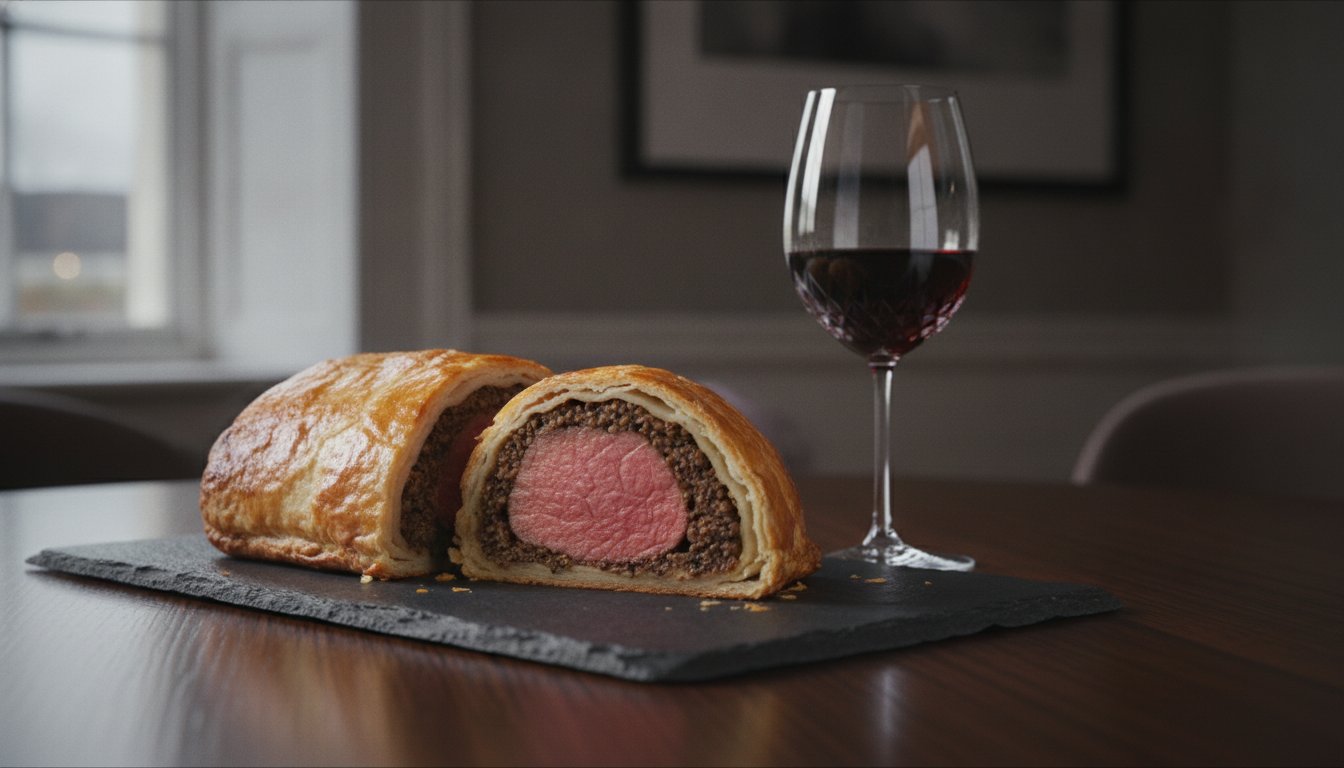
Could the most robust red in your cellar actually be the greatest threat to your dinner party success? Many enthusiasts assume a heavy-handed Cabernet is the only choice, but the truth is that the wrong wine pairing for beef wellington can easily overwhelm the buttery pastry and delicate fillet. We understand how much care goes into searing that beef and layering the earthy duxelles. It is truly disappointing when a bottle's tannins feel like they're fighting the food rather than celebrating the complex flavours you've worked so hard to create.
You deserve a selection that acts as a bridge between the rich pastry and the tender meat. As curators who have spent years sourcing from the finest European estates, we'll help you navigate the nuances of traditional French regions and explain why a structured Pomerol or an elegant Burgundy might be your best ally. We will also provide practical advice on decanting and serving temperatures to ensure your chosen vintage performs beautifully. Whether you're looking for a legendary Bordeaux or a high-quality alternative to navigate the 2026 price shifts, you'll finish this guide with the confidence of a true connoisseur.
Key Takeaways
- Understand how to harmonise the lean texture of the beef fillet with the buttery richness of the puff pastry and the deep, earthy umami of the mushroom duxelles.
- Navigate the red wine hierarchy to find the perfect wine pairing for beef wellington, comparing the delicate elegance of Burgundy against the structured power of a Merlot-led Bordeaux.
- Explore sophisticated alternatives to red wine, including full-bodied, oaked whites that possess the necessary weight and age to stand up to savoury layers.
- Gain professional insights into serving logistics, from choosing bottles for large-scale celebrations to the delicate process of decanting older, prestigious vintages.
The Anatomy of a Classic: Why Beef Wellington Challenges Your Wine Choice
Mastering the wine pairing for beef wellington requires a deep appreciation for the dish's architectural complexity. It's a culinary masterpiece defined by contradictions. On one hand, you have the lean, silky texture of the beef fillet; on the other, you're dealing with the heavy, buttery richness of puff pastry. This creates a unique "pairing tension" that can trip up even experienced hosts. Whilst the pastry demands a wine with enough presence to cut through the fat, the lean meat inside is easily bullied by a bottle that's too aggressive.
One of the most frequent mistakes we see is the "tannin trap." Many enthusiasts reach for a high-tannin Cabernet Sauvignon, assuming it's the natural partner for beef. However, tannins need fat to soften. Because a Beef Wellington uses the leanest cut of the cow, there isn't enough intramuscular fat to bind with those harsh tannins. This can result in a wine that feels astringent or even metallic on the tongue. Instead, we look for acidity. High acidity acts as a vital palate cleanser, refreshing your mouth after every rich, pastry-laden bite and ensuring the next forkful tastes just as vibrant as the first.
The Beef Fillet: A Delicate Centrepiece
The fillet is prized for its tenderness rather than its "beefiness." It lacks the intense, fatty punch of a ribeye, making it a far more subtle partner for your cellar's treasures. If you serve a massive, oak-driven wine with heavy charred notes, you'll simply drown out the meat's delicate flavour profile. We believe medium-bodied wines provide the ideal weight to support the beef whilst respecting its soft, velvety texture.
The Earthy Elements: Mushrooms, Pâté, and Truffle
It's often the hidden layers that dictate the best wine pairing for beef wellington. The mushroom duxelles and pâté de foie gras introduce profound umami and "forest floor" notes to the dish. These savoury, complex elements find their soulmate in wines that have developed secondary and tertiary aromas. A well-aged selection from the Côte de Nuits or a structured Bordeaux often displays "sous-bois" or damp earth characteristics. These notes harmonise beautifully with the mushrooms and truffle, creating a seamless transition from the plate to the glass that feels truly indulgent.
The Red Wine Hierarchy: From Elegant Burgundy to Structured Bordeaux
When you stand before your cellar to decide on the perfect wine pairing for beef wellington, two legendary regions inevitably dominate the conversation: Burgundy and Bordeaux. These regions represent the two distinct philosophies of the Wellington world. One focuses on the ethereal, high-acid elegance of Pinot Noir, whilst the other relies on the structured, velvety richness of Merlot-led blends. Choosing between them often depends on which layer of the dish you wish to highlight. Do you want to champion the delicate silkiness of the beef fillet, or the decadent umami of the mushroom duxelles?
Experience has taught us that connoisseurs often find their "Goldilocks" bottle at the 10-15 year mark. At this age, the primary fruit has softened, and the secondary characteristics of leather, spice, and earth have begun to bloom. These mature notes are essential for bridging the gap between the wine and the savoury elements of the pastry. If you're planning a particularly grand occasion, you might explore our curated selection of Bordeaux to find a vintage that has reached this peak of maturity.
Pinot Noir and the Côte d'Or: The Elegant Choice
Burgundy is frequently our first recommendation for those who value finesse over power. The naturally high acidity and bright red fruit of a Red Burgundy cut through the buttery puff pastry with surgical precision. We suggest focusing on the Côte de Nuits, where the wines possess a firmer backbone. Appellations like Gevrey-Chambertin or Nuits-Saint-Georges are prime examples of "power with elegance." They offer enough structure to stand up to the beef without ever masking its subtle, tender character. At the absolute pinnacle, a 2016 Domaine de la Romanée-Conti is the ultimate dream pairing, though its May 2026 market price of $25,470 reflects its legendary status.
Bordeaux: Why the Right Bank Often Wins
Whilst Cabernet is the king of the Left Bank, the softer tannins of Merlot make the Right Bank a superior wine pairing for beef wellington. In regions like Saint-Émilion and Pomerol, the Merlot-dominant blends offer a plush, plum-like fruitiness that complements the pâté and mushrooms beautifully. A 2019 Château Cheval Blanc, currently priced around $892, provides the kind of silky, integrated tannins that won't clash with the lean fillet. If you prefer a firmer, more traditional style, you can discover the structured reds of the Médoc and Haut-Médoc, which offer a more robust counterpoint to the pastry's richness. Should you need help deciding which region best suits your menu, please get in touch for a personal recommendation.

Beyond the Usual Suspects: Unconventional and White Wine Pairings
You might think serving a white wine with beef is a culinary faux pas, but we've discovered that the right bottle can be a revelation. Whilst red wine remains the traditional choice, a wine pairing for beef wellington can be surprisingly versatile. For those seeking exceptional value and a different flavour profile, an aged Spanish red like a Rioja Gran Reserva is a magnificent option. These wines often spend years in oak, developing the savoury, leather-like notes that mirror the earthy duxelles without the price premium often associated with top-tier French estates.
The success of an unconventional pairing often depends on the weight and texture of the wine. If you're moving away from red, you need a bottle with enough structural integrity to stand up to the richness of the pastry. This is where the criteria of oak, age, and lees contact become non-negotiable. Without these elements, a wine will simply disappear when faced with the intensity of the beef and pâté. In response to rising prices for some classic regions due to the 2026 tariff shifts, exploring these high-quality alternatives has become a savvy move for the modern connoisseur.
The White Wine Exception: Oaked Chardonnay
A prestigious White Burgundy from the Côte de Beaune is often the only white wine that can truly compete with this dish. These wines possess a naturally buttery profile that matches the puff pastry perfectly. We recommend looking for a Meursault or a Chassagne-Montrachet; these appellations are famous for their textural weight. This "heaviness" comes from extensive lees ageing, where the wine sits on its spent yeast cells to gain a creamy, almost oily mouthfeel. It's this specific texture that allows the wine to bridge the gap between the pastry and the tender beef.
The Sauce Factor: Madeira vs. Red Wine Jus
The sauce you choose to drizzle over your plate is the final piece of the wine pairing for beef wellington puzzle. A sweet, concentrated Madeira sauce is a bold addition that demands a wine with equally intense fruit to avoid the pairing tasting thin or acidic. Conversely, if you're serving a classic Red Wine Jus, the golden rule is to match the wine in your glass to the wine in the pan. When using balsamic or vinegar-based reductions, you must ensure your wine has a high enough acidity balance to prevent the dish from feeling flat. If you're unsure how your specific recipe will affect your selection, get in touch for expert advice on your menu.
The Art of the Table: Serving Tips and Selecting for the Occasion
When you serve a dish as magnificent as Beef Wellington, the presentation of the wine should match the theatre of the carving. Whether you are organising a grand celebration using our Wedding and Party Wine service or hosting a quiet, intimate Sunday lunch, the logistics of your service will dictate the final experience. A common oversight is neglecting the 'Glassware Effect.' To truly capture the delicate bouquet of a Burgundy or the complex, earthy secondary aromas of a mature Bordeaux, a large-bowled glass is essential. It provides the surface area needed for the wine to breathe and release its hidden layers.
Decanting is another critical step for any serious wine pairing for beef wellington. For the older vintages we've discussed, such as those with 10-15 years of age, sediment is a natural occurrence. We suggest standing the bottle upright for 24 hours before your event. When you're ready to serve, pour the wine slowly into a decanter in one steady movement. Whilst younger reds benefit from several hours of air, be cautious with very old bottles. They can be fragile; often, thirty minutes of breathing is enough to awaken the flavours without risking oxidation. For a truly impressive table presentation, choosing Magnums and Larger Formats ensures there is plenty to go around whilst allowing the wine to age more gracefully.
Serving Temperature: The Common Mistake
Most people serve their red wine too warm. Modern homes are typically kept at 21°C, which is far too high for a fine red and can make the alcohol feel 'hot' and aggressive. The ideal range for your Wellington pairing is 15-18°C. This cooler temperature preserves the freshness of the red fruit and keeps the tannins in check. If your bottle has been sitting in a warm kitchen, simply place it in the fridge for 15-20 minutes whilst the beef is resting. This brief chill will sharpen the wine's definition and make the pairing feel much more vibrant.
Hosting and Gifting: The Perfect Presentation
If you're looking to impress a fellow enthusiast, our Corporate and Private Wine Gift Boxes offer a sophisticated way to share these discoveries. When hosting, we often find that curating a mixed case allows you to transition beautifully through the meal, perhaps starting with a crisp Champagne before moving to your heavy-hitting red. Ultimately, whilst you should always trust your own palate, respecting the heritage of the dish by choosing a structured, traditional wine will always yield the best results. A thoughtful wine pairing for beef wellington isn't just about the drink; it's about creating a moment that your guests will remember long after the last crumb of pastry has vanished.
Find Your Perfect Match Today
Choosing the right wine pairing for beef wellington is about more than just matching red meat with red wine. It's about finding that precise acidity to cut through the buttery pastry whilst respecting the lean fillet's tender texture. We've explored how a structured Right Bank Bordeaux or an elegant Pinot Noir can transform your meal; provided they're served at the correct temperature and given the air they need to breathe. These small details are what separate a good dinner from a truly legendary one.
As independent Suffolk-based wine merchants with over 25 years of expertise, we pride ourselves on being specialists in sourcing rare Burgundy and Bordeaux. We offer a deeply personalised service for weddings, private parties, and corporate gifting to ensure every bottle you pour is exceptional. If you're ready to elevate your next occasion, discover our curated selection of Burgundy and Bordeaux at Mosse and Mosse. We can't wait to help you find a vintage that makes your next Wellington truly unforgettable. Happy hosting!
Frequently Asked Questions
Can I pair a white wine with Beef Wellington?
Yes, you can certainly pair white wine with this dish, provided it has the necessary structural weight and textural richness. We recommend an oaked Chardonnay from the Côte de Beaune, such as a Meursault. These wines undergo malolactic fermentation and lees ageing, creating a buttery profile that harmonises with the puff pastry. A light, zesty white would be overwhelmed by the savoury beef and earthy mushrooms.
Should I decant the wine before serving with Beef Wellington?
Decanting is highly recommended to ensure your chosen bottle performs at its peak. For older vintages of Bordeaux or Burgundy, decanting removes natural sediment and allows complex secondary aromas to unfurl. Younger, more robust reds also benefit from the aeration, which softens tannins and opens up the fruit. We suggest decanting younger wines for one to two hours, whilst older, more fragile bottles may only need thirty minutes.
Is Cabernet Sauvignon too heavy for a Beef Wellington?
A young, high-tannin Cabernet Sauvignon can often feel too aggressive for the lean beef fillet used in this dish. Unlike a fatty ribeye, the fillet doesn't have enough intramuscular fat to bind with harsh tannins, which can leave a metallic taste on the palate. If you prefer Cabernet, look for a bottle with significant age or choose a Merlot-dominant Right Bank blend for a softer, more integrated experience.
What is the best budget-friendly wine for Beef Wellington?
For those seeking an exceptional wine pairing for beef wellington without the price tag of a Premier Cru, an aged Rioja Gran Reserva is a fantastic choice. These Spanish reds offer the earthy, savoury notes of a mature Burgundy at a more accessible price point. Alternatively, look for a Cru Bourgeois from the Médoc. These wines provide the classic structure and dark fruit needed to complement the beef whilst offering excellent value for money.
How does the pâté in the Wellington affect the wine pairing?
The pâté de foie gras adds a layer of decadent fat and intense umami that significantly influences your choice. It acts as a bridge between the meat and the pastry, demanding a wine with enough acidity to cut through the richness. The savoury depth of the pâté is why we often favour wines with "sous-bois" or forest floor characteristics, as these earthy notes mirror the luxury of the liver and mushrooms.
What wine should I use if the Beef Wellington is for a Christmas dinner?
For a festive Christmas dinner, we suggest choosing a wine with presence and prestige, such as a structured Pomerol or a Gevrey-Chambertin. These selections feel celebratory and possess the complexity required for such a rich centrepiece. If you're hosting a larger group, a magnum is a brilliant choice for the table. It not only looks impressive but also ensures a more consistent wine pairing for beef wellington throughout the main course.


