Is that prestigious label really worth a hefty price tag, or are you simply paying for a famous village name? It's a question we hear often, and it's completely understandable to feel overwhelmed when faced with the labyrinth of producers and appellations that define white burgundy. You might worry about overpaying for a generic bottle or feel confused about how a Chablis differs from a rich Meursault. We've spent years tasting through these historic vineyards to find the gems that truly sing.
This guide will help you master the complexities of the region and discover how to select exceptional bottles that offer genuine character and value. We'll show you how to read a label like a connoisseur and identify which sub-regions are currently punching well above their weight. From understanding the impact of warmer harvests on flavour profiles to identifying the best value amongst the lesser-known villages, you'll gain the knowledge needed to curate your collection with confidence. We'll explore why the market is shifting towards more accessible appellations, ensuring you find the perfect balance of heritage and quality in every glass.
Key Takeaways
- Understand why this historic region is considered the spiritual home of Chardonnay and learn to recognise the signature balance of citrus, stone fruit, and subtle oak.
- Decipher the four-tier classification system to distinguish between entry-level regional bottles and the prestigious, site-specific Grand Cru selections.
- Discover why the Côte de Beaune remains the gold standard for world-class white burgundy whilst uncovering exceptional value in the hidden gems of the Côte Chalonnaise.
- Master the art of serving these wines by avoiding common mistakes like over-chilling and selecting the right glassware to let the complex bouquet blossom.
- Gain the confidence to look beyond famous village names to find bottles that offer genuine character and depth at a more accessible price point.
The Allure of White Burgundy: Why This Region Defines Chardonnay
White Burgundy isn't just a category on a wine list; it's the spiritual home of the Chardonnay grape. Whilst winemakers across the globe try to replicate its magic, there's something about this narrow strip of French hillside that remains untouched. When you pour a glass of white burgundy, you're tasting a tradition that spans centuries. With the rare exception of the zesty Aligoté grape, almost every white wine from this region is crafted from 100% Chardonnay. It's the benchmark by which all other premium white wines are measured.
We often describe the classic 'Burgundian style' as a masterclass in balance. You'll find a vibrant core of citrus and stone fruit, elegantly framed by a subtle, integrated oak influence. It's never about the wood overpowering the fruit. Instead, the oak acts as a supporting character, adding texture and a hint of spice without masking the grape's natural purity. The secret lies beneath the surface. The limestone-rich soils of the Burgundy wine region are simply inimitable. This geological heritage provides a mineral tension that you won't find anywhere else, making the wines feel alive on the palate.
The Role of Terroir in Flavour
Soil composition is the architect of flavour here. In the north, the ancient Kimmeridgian clay and limestone of Chablis create a 'steely', flinty character. Further south, the harder limestone of the Côte d’Or produces wines with a more 'creamy' or 'nutty' profile. The region's cool climate is equally vital. It preserves the high acidity necessary for long-term ageing, ensuring these wines evolve beautifully in your cellar. Because production is kept on a small, artisanal scale, every bottle reflects the specific patch of earth it came from.
Chardonnay: The Great Chameleon
Chardonnay is famously adaptable, and Burgundian winemakers are masters at coaxing out its different personalities. Techniques like malolactic fermentation soften sharp acids into a buttery texture, whilst 'lees stirring' adds weight and complexity. This is why you can enjoy the bracing, bone-dry crispness of a Chablis one day and the opulent, honeyed depth of a Meursault the next. Terroir is the unique intersection where soil, climate, and human tradition meet to create something truly singular.
Understanding the Classification: From Bourgogne Blanc to Grand Cru
The Burgundy AOC system is essentially a quality pyramid based on the specific plot of land where the grapes are grown. Unlike other regions where a brand name might take centre stage, here the terroir is the star. At the base, you'll find regional wines, followed by village level bottles, then the prestigious Premier Cru, and finally the rare Grand Cru sites. Understanding this structure is the first step to ensuring you don't overpay for a generic bottle whilst seeking out true white burgundy character.
While the land is the foundation, the producer's reputation often carries just as much weight. Two winemakers can own vines in the same vineyard, yet their styles and quality levels can differ vastly. We spend a great deal of our time vetting individual domaines because we believe the person behind the bottle is just as important as the classification on the label. If you're ever unsure about which producer suits your palate, feel free to speak with us for a personal recommendation.
The Hierarchy of Quality and Price
Bourgogne Blanc serves as the entry point. In modern, warmer vintages, these regional wines often offer incredible value, sometimes using fruit from vineyards just outside more famous village boundaries. Village wines, such as those from Puligny-Montrachet or Meursault, command a premium because they reflect the specific personality of their town. At the pinnacle, Premier and Grand Cru wines represent the smallest percentage of production. These bottles are prized for their immense complexity and ability to age for decades, evolving from fresh fruit into rich, honeyed masterpieces.
Reading a Burgundy Label
Deciphering a label shouldn't feel like a chore. Look for the producer's name at the top and the vintage clearly displayed. The specific vineyard site will be listed for Premier and Grand Cru wines. One phrase to watch for is 'Mis en bouteille au domaine', which indicates the wine was bottled at the estate where it was grown. This is a vital sign of quality assurance, showing the winemaker had total control from vine to glass. Sourcing from a trusted merchant who understands these nuances ensures you're always getting a bottle that lives up to its pedigree.

Exploring the Terroir: From the Côte de Beaune to Hidden Gems
When you're searching for authentic white burgundy, the Côte de Beaune is the undisputed heart of the region. Whilst the Côte d’Or is a narrow strip of land, its influence on global wine styles is immeasurable. Recent years have seen a fascinating shift in profile. Warmer summers mean harvests are now frequently occurring up to three weeks earlier than they did a decade ago. This heat adds a sun-kissed ripeness to the grapes, often blurring the lines between the traditionally 'steely' and 'creamy' styles. Finding a bottle that maintains that classic mineral tension amongst these warmer vintages is the real challenge for any collector.
The Giants of the Côte de Beaune
Meursault is the indulgent choice, loved for its opulent texture and signature hazelnut aroma. If you prefer precision, Puligny-Montrachet is the benchmark for floral elegance and laser-like focus. Then there's Chassagne-Montrachet, which offers a broader, more powerful structure. These three villages represent the pinnacle of white burgundy, yet each tells a completely different story of the soil. We've spent decades building relationships with growers in these villages to ensure we find the bottles that truly represent their unique terroir.
Value and Character in the Côte Chalonnaise and Mâcon
If the prices of the 'Golden Slope' feel daunting, look south to the Côte Chalonnaise. This region is a treasure trove for value-seekers. Villages like Rully and Montagny offer vibrant, characterful Chardonnay that mimics the style of their northern neighbours at a fraction of the cost. Further south still, the Mâconnais is undergoing a quality revolution. Appellations like Pouilly-Fuissé and Saint-Véran are now producing structured, serious wines that can stand toe-to-toe with village-level bottles from the Côte de Beaune. For a deeper dive into these regions, explore our ultimate guide to the world's finest Chardonnay.
We're always happy to share our latest finds from these exciting areas. If you'd like help selecting a bottle that fits your taste and offers genuine character, get in touch with us for a personal recommendation.
The Connoisseur’s Approach: Serving, Sourcing, and Savouring
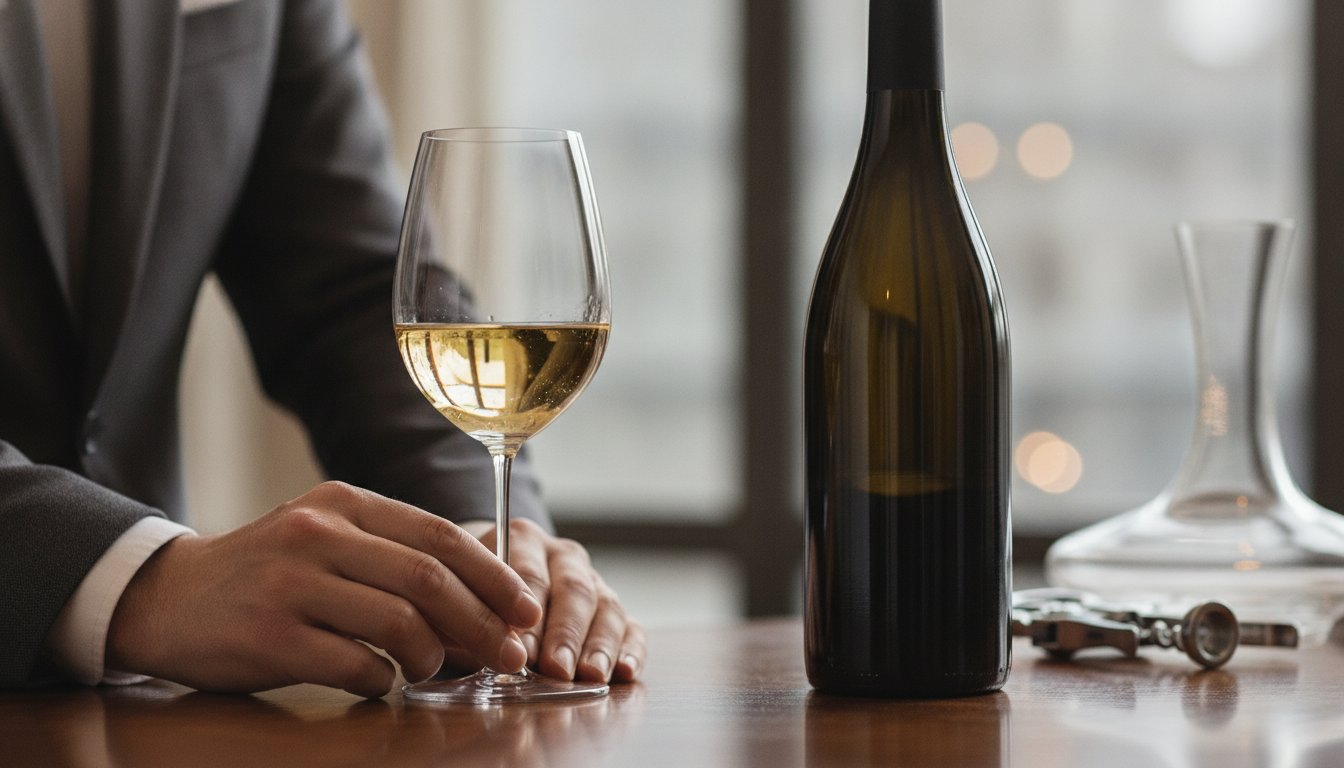
Don't let a freezing fridge mute the character of a fine white burgundy. One of the most common mistakes we see is over-chilling these complex wines. When Chardonnay is served too cold, its intricate aromatics and silky texture remain locked away. We recommend serving village and cru-level bottles between 11°C and 13°C. At this temperature, the wine's hidden layers of stone fruit and spice can finally step into the light. Glassware is just as vital. A glass with a wider bowl is non-negotiable; it provides a larger surface area for oxygen to interact with the wine, helping the bouquet to blossom properly.
Buying from an independent merchant like Mosse and Mosse offers a level of security that large retailers simply can't match. We aren't interested in moving mass-produced stock. Instead, we hunt for wines that offer a genuine sense of place. This personal approach means we can guide you toward a specific producer whose style matches your preference, whether you're after the flinty tension of the north or the sun-drenched richness of the south.
Food Pairing and Occasions
Pairing white burgundy with food is a joy because of its natural acidity and weight. It's the classic partner for roast poultry, where the wine's richness cuts through the savoury fats. For a more indulgent evening, try a Meursault with creamy pasta or firm French cheeses like Comté. Because of its elegance and universal appeal, it remains the ultimate choice for Wedding & Party Wine. If you're hosting a larger celebration, we often suggest looking at Magnums. They don't just look impressive on a dinner table; the larger format allows the wine to age more slowly and gracefully, often resulting in a superior flavour profile.
Sourcing with Confidence
Our philosophy at Mosse and Mosse is simple: we prioritise the quality of the liquid over the external branding. We know that some of the best value is found by looking just outside the famous village boundaries, and we're here to share those secrets with you. This curated approach extends to our professional services too. We've designed a range of Corporate & Private Wine Gift Boxes that reflect this commitment to excellence. Whether you're stocking your own cellar or sending a gift, our personalised service ensures you'll find a bottle that offers true character and lasting memories.
Elevate Your Collection with Authentic Character
Choosing the right bottle is about looking beyond famous labels to find the heart of the producer. You've learned how the classification pyramid works and why exploring regions like the Côte Chalonnaise can yield incredible value without sacrificing quality. Remember that the magic often happens in the glass when you get the temperature just right. These small details transform a simple glass of wine into a truly memorable experience.
As an independent UK wine merchant with over 25 years of expertise, we pride ourselves on being specialists in sourcing rare Burgundy parcels that larger retailers often overlook. We handle every step of the process with care; offering national UK mainland delivery on all orders to ensure your wine arrives in perfect condition. Whether you're a seasoned collector or just starting to explore these historic hillsides, we're here to help you navigate the nuances of the region.
Explore our expertly curated collection of White Burgundy and let us help you find your next favourite bottle. We're passionate about sharing these wines with you and look forward to being part of your wine journey.
Frequently Asked Questions
What is the difference between Chablis and White Burgundy?
Chablis is actually a part of the Burgundy region, but it's geographically isolated in the north and produces a very specific style. Whilst most white burgundy from the Côte d'Or is known for its richness and integrated oak, Chablis is typically unoaked and celebrated for its 'flinty' or 'steely' acidity. It's all Chardonnay, but the cooler climate and unique Kimmeridgian soil in Chablis create a much leaner, crisper profile compared to its southern cousins.
How long can I store a bottle of White Burgundy?
Storage potential depends entirely on the wine's classification and the specific producer. A simple Bourgogne Blanc is best enjoyed within one to three years of its vintage to capture its fresh fruit. Village wines can often age beautifully for five to seven years. The top-tier Premier Cru and Grand Cru bottles are built for the long haul; often reaching their peak between ten and twenty years if kept in a cool, dark cellar.
Why is White Burgundy so expensive compared to other Chardonnays?
The high cost stems from a combination of finite land, soaring vineyard values, and global demand that far outstrips supply. Burgundy is a patchwork of tiny, family-owned plots where inheritance taxes and land prices have reached record levels. This makes production incredibly expensive. When you buy these wines, you're paying for the intensive manual labour and the rare heritage of a specific hillside that simply cannot be replicated anywhere else in the world.
Should I decant White Burgundy before serving?
You should consider decanting younger, high-quality bottles to help them breathe. A quick splash in a decanter for thirty minutes can soften a tight structure and allow the complex aromatics to emerge. For very old, fragile vintages, decanting is usually unnecessary and might even cause the delicate bouquet to fade too quickly. Instead, focus on using a large-bowled glass to let the wine evolve naturally as you sip it.
What does 'Premier Cru' actually mean on a label?
A Premier Cru label signifies that the grapes were grown in a specifically designated 'first growth' vineyard site. These plots are recognised for their superior terroir and ability to produce wines with more complexity than standard village offerings. There are over 600 Premier Cru vineyards in Burgundy, and whilst they sit just below Grand Cru in the hierarchy, they often represent the best balance of exceptional quality and relative value for serious collectors.
Is all White Burgundy made from Chardonnay?
Almost all white burgundy is made from the Chardonnay grape, but there is one notable exception. Aligoté is the region's other white grape, known for producing zesty, high-acid wines that are perfect for early drinking. You'll usually see it labelled clearly as 'Bourgogne Aligoté'. Whilst it doesn't have the same prestige or ageing potential as Chardonnay, it's a favourite amongst locals for its refreshing, citrus-driven character and its accessibility.


