
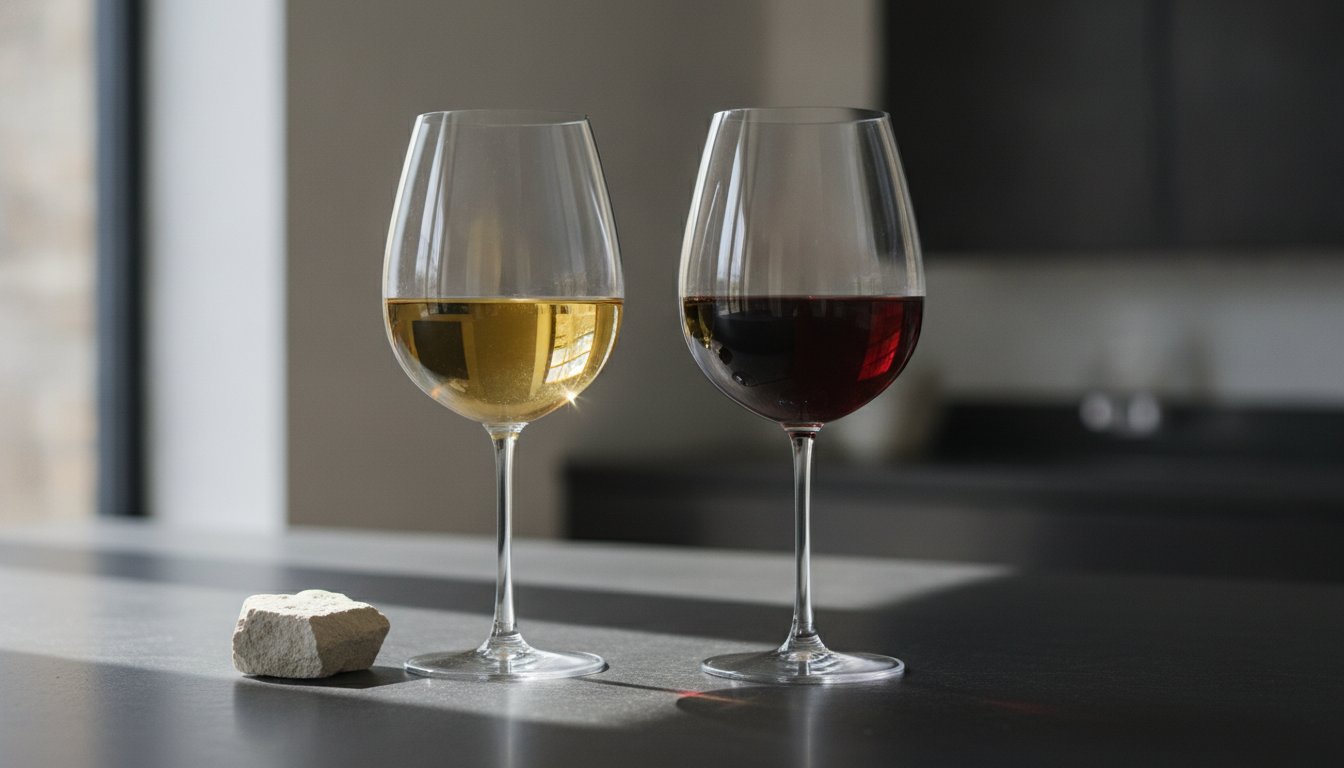
What if the secret to mastering Burgundy isn't found in the famous power of the north, but in the dual-hearted valley of the south? Many of our customers feel a bit overwhelmed when exploring Cote de Beaune wines, often worrying they might overpay for a bottle that doesn't suit their palate or getting lost in the maze of complex French labelling. It's perfectly natural to feel confused when one small stretch of limestone produces both the world's most prestigious Chardonnays and its most ethereal, elegant reds.
We've spent years personally curating these selections to help you discover the true dual identity of this remarkable region. You'll gain the confidence to select a bottle for any special occasion as we explore the rich flavour profiles of villages like Meursault and Volnay. We also share our professional secrets on how to serve and store these delicate bottles to ensure every drop is enjoyed at its absolute peak.
Key Takeaways
- Understand how the unique limestone and marl soils of the southern Côte d’Or create the perfect foundation for the world's most prestigious white wines.
- Identify the 'Three Musketeers' of the region, Meursault, Puligny, and Chassagne, to find your favourite style amongst these iconic Cote de Beaune wines.
- Explore the perfumed elegance of Pinot Noir and learn to spot the delicate notes of red cherry and violet that define the region's finest reds.
- Master the art of serving these delicate bottles by understanding vintage variation and selecting the essential balloon glass for proper aeration.
- Gain the confidence to select a bottle for any special occasion by mastering the distinct flavour profiles of legendary villages like Volnay.
Understanding the Terroir: What Defines Côte de Beaune Wines?
The Côte de Beaune is a place of remarkable contrast. As the southern soul of the Côte d’Or, it stretches roughly 25km from the edge of Nuits-Saint-Georges down to the river Dheune. While many people think of this region solely for its world-class white wines, there's a lovely irony at play. It actually produces a vast quantity of high-quality red wine, often offering a level of finesse that distinguishes it from the sturdier, more powerful profiles found in the Côte de Nuits. We believe the magic of Cote de Beaune wines is found in this diversity. For a deeper dive into the geography and history of this area, this Côte de Beaune overview provides an excellent foundation for understanding the landscape.
The Limestone Legacy: Why Soil Matters
The secret to the vibrancy in Cote de Beaune wines lies deep beneath the surface. Bathonian limestone provides that unmistakable mineral backbone we look for in a great Chardonnay, whilst the presence of marl and clay in certain pockets supports the structure of the reds. As you move up the slopes, the soil thins and the drainage improves. This elevation dictates the strict hierarchy of the region, where the prestigious Grand Cru vineyards sit proudly mid-slope to capture the best sun. We define terroir as the perfect marriage of soil, climate, and the human hand. It's this delicate balance that ensures a Meursault tastes like nothing else on earth.
North vs South: A Tale of Two Styles
In the northern communes near the historic town of Beaune, you'll find the heart of elegant, perfumed reds. These are wines that prioritise fragrance and silky textures over sheer force. Travel further south and you enter the 'Golden Triangle', a hallowed ground where white wine reigns supreme and the Chardonnay grape reaches its global zenith. As you reach the southern tip in Santenay, the landscape shifts back toward Pinot Noir. This creates a natural bridge to the Côte Chalonnaise, where the soils begin to change once more. It's a fascinating journey that we love guiding our customers through.
The White Wine Pillars: Chardonnay Excellence in the South
If you love Chardonnay, the southern stretch of this region is your spiritual home. We often refer to Meursault, Puligny-Montrachet, and Chassagne-Montrachet as the 'Three Musketeers' of white Burgundy. These villages represent the pinnacle of what the grape can achieve, offering a level of complexity that is rarely matched elsewhere. A classic Côte de Beaune white wine isn't just about fruit; it's about an incredible sense of texture and place. We've found that many of our customers are drawn to Cote de Beaune wines specifically for this white wine heritage, which combines traditional methods with a deep respect for the land.
Winemakers here use oak with incredible precision. It isn't meant to mask the wine with heavy vanilla flavours. Instead, the wood adds a luxurious weight and structural roundness that fills the mouth. Whilst most white wine excellence is found in the southern 'Golden Triangle', the iconic Corton-Charlemagne stands as a magnificent northern exception, producing whites of immense power and longevity. For those wanting to explore the technicalities of these appellations, the Official guide to Côte de Beaune offers a wealth of professional detail.
Meursault: The Rich and Buttery Favourite
Meursault is undoubtedly the hedonist's choice. It's famous for its indulgent notes of toasted hazelnuts, churned butter, and ripe yellow peaches. Even though the village lacks its own Grand Cru vineyards, many of its Premier Crus rival the very best in the world for sheer pleasure and depth. A mature Meursault feels like liquid silk on the tongue. It's a style that prioritises richness without ever losing its essential freshness.
Puligny vs Chassagne: Precision vs Power
Choosing between the other two musketeers often comes down to your personal preference for structure. We like to use this simple framework to help you decide:
- Puligny-Montrachet: This is the home of precision. Expect floral elegance, steely acidity, and a mineral drive that allows these wines to age gracefully for decades.
- Chassagne-Montrachet: These wines are generally broader and more robust. They often carry a subtle, earthy undertone that gives them a powerful, grounded presence.
If you prefer a wine that is lean and electric, go for Puligny. If you want something more structural and substantial, Chassagne is your best bet. If you're still unsure which profile fits your next dinner party, do ask us for a personal recommendation.

Red Côte de Beaune: Finesse, Fruit, and Perfumed Pinot Noir
It's a common mistake to assume that the finest Pinot Noir is strictly reserved for the northern reaches of the Côte d’Or. In reality, Cote de Beaune wines offer a level of perfumed elegance that is simply unmatched. Whilst the north provides power, the south delivers finesse. You'll often find delicate markers of red cherry, raspberry, and violet in these bottles. As they age, these bright primary fruits transform into complex 'sous-bois' or forest floor notes. For a technical breakdown of these specific village markers, you can consult the Official Guide to Côte de Beaune. Aside from the mighty Corton hill, which hosts the region's only red Grand Crus, the heart of the red wine story lies in the historic villages of Volnay, Pommard, and Beaune itself.
We've noticed that the 2025 vintage is already showing signs of being potentially excellent for these reds. The wines are rich, ripe, and aromatic with superb aging potential. This is a welcome contrast to the lighter 2024s, which are better enjoyed in their youth due to their high acidity and lower tannins. Even with the average price for Premier Cru Pinot Noir vineyards rising 11% to €1.15 million per hectare in 2025, the value found in these villages remains exceptional compared to their northern neighbours.
Volnay and Pommard: The Beauty and the Beast
Volnay is frequently described as the most 'feminine' and ethereal Pinot Noir in Burgundy. It's a wine of grace and silky textures that feels almost weightless on the palate. Contrast this with Pommard, its immediate neighbour. Pommard is the 'beast' of the pair. Its iron-rich soils produce muscular, tannic, and long-lived wines that require a bit of patience in the cellar. These two villages perfectly demonstrate the incredible diversity found within just a few kilometres of vines.
The Value of Beaune and Savigny-lès-Beaune
The village of Beaune itself is a treasure trove for the savvy collector. It's a source of excellent Premier Cru wines that often beat more famous names on price whilst delivering incredible quality. For those who prefer an approachable, fruit-forward style, Savigny-lès-Beaune is a fantastic choice. These wines are perfect for younger drinking and serve as ideal entry points for those exploring red Burgundy for the first time. If you're looking to discover these hidden gems for yourself, contact us to arrange a private tasting event.
A Merchant’s Guide to Selecting and Serving Côte de Beaune
Understanding vintage variation is the hallmark of a true connoisseur. For those of you opening bottles in 2026, we suggest looking closely at the 2025 vintage. These wines are proving to be wonderfully rich and aromatic, offering a concentration that rewards those who appreciate depth. If you prefer something lighter and more vibrant for immediate drinking, the 2024s are showing beautifully now with their higher acidity and bright fruit. Navigating the price of Burgundy can be tricky, but we often point our friends toward gems like Saint-Aubin for white wine or Santenay for reds. These villages offer the same limestone pedigree as their famous neighbours but at a much more approachable price point.
The way you serve Cote de Beaune wines can completely transform the experience. We always recommend using a wide-bowled 'balloon' glass. This specific shape is essential for aerating the delicate aromatics of a Pinot Noir and allowing the complex layers of a Meursault to breathe. It's a small detail that makes a world of difference. At Mosse and Mosse, we personally taste every bottle to ensure it meets our exacting standards before it earns a place in our curated collection.
Perfect Pairings for the British Table
White Burgundy is a dream with classic British fare. Try a buttery Chardonnay with roast chicken and tarragon, or perhaps a delicate Dover Sole. For the reds, the earthy notes of a Pommard or Volnay are the perfect partner for game birds or a rich mushroom risotto. These elegant choices can truly elevate a special event or wedding, creating memories that linger long after the final toast.
Storage and Service Temperatures
Temperature is everything. Please don't serve your whites 'fridge-cold'. We recommend 11-13°C to let the bouquet truly open up and reveal its complexity. For reds, aim for a slightly cool 15-16°C. This keeps the fruit vibrant whilst avoiding 'soupy' tannins that can mask the wine's finesse. If you're planning for the long term, we're huge advocates of larger formats and magnums. They allow for a slower, more graceful ageing process and always add a touch of theatre to a celebration.
Finding Your Perfect Bottle in the South
Mastering the dual identity of this region is a journey that rewards the curious. You've seen how the limestone ridge creates a foundation for world-class Chardonnay whilst allowing Pinot Noir to achieve a level of perfumed elegance found nowhere else on earth. Whether you're drawn to the buttery silk of a Meursault or the ethereal grace of a Volnay, these Cote de Beaune wines represent the very best of French finesse. Remember to serve them at the right temperature and use a proper balloon glass to unlock every layer of fragrance.
As an independent family merchant with over 25 years of experience specialising in Burgundy and Bordeaux, we take great pride in our selection process. We taste every bottle personally to ensure it offers genuine value and character. With our personalised UK-wide delivery, your next favourite vintage is never far away. We're here to help you navigate the vintages and villages with ease.
Explore our hand-picked selection of Côte de Beaune wines and let us help you find a bottle that truly speaks to your palate. There's a whole world of flavour waiting for you in the southern Côte d’Or, and we can't wait to share it with you.
Frequently Asked Questions
What is the difference between Côte de Beaune and Côte de Nuits?
The Côte de Nuits is the northern half of the Côte d’Or, famous for powerful, structured reds; the Côte de Beaune is the southern half, celebrated for the world's finest whites and elegant, perfumed reds. Whilst the north is almost entirely dominated by Pinot Noir, the south offers a more diverse landscape where Chardonnay takes centre stage in legendary villages like Meursault. It's this dual identity that makes the southern escarpment so fascinating for collectors.
Is Côte de Beaune wine always expensive?
No, Cote de Beaune wines are available at various price points, though the most prestigious appellations command a premium due to high demand and land costs. Whilst the average price for a hectare of Premier Cru Chardonnay vines rose to €2.7 million in 2025, you can still find exceptional value in 'satellite' villages. Appellations like Saint-Aubin, Santenay, and Maranges offer the same limestone pedigree as their famous neighbours but at a more approachable cost.
Which is the best white wine village in the Côte de Beaune?
Choosing the 'best' village depends on your preferred style, but Meursault, Puligny-Montrachet, and Chassagne-Montrachet are the undisputed leaders. Meursault is the choice for those who love richness and indulgent buttery textures, whilst Puligny offers unparalleled precision and a steely mineral drive. Chassagne sits beautifully in the middle, providing a broader, more powerful profile that many of our customers find incredibly satisfying for special occasions and dinner parties.
Can you age Côte de Beaune red wines?
Yes, many red wines from this region age beautifully, with muscular villages like Pommard and the Grand Crus of Corton often lasting for two decades or more. The 2025 vintage is showing excellent longevity due to its concentration, whereas the lighter 2024s are generally better for drinking in their youth. As these wines mature, they shed their bright primary fruit and develop those sought-after savoury notes of forest floor, truffle, and spice.
What grape varieties are used in Côte de Beaune wines?
Chardonnay and Pinot Noir are the two primary grapes that define the region's global identity. Almost all white Cote de Beaune wines are made from 100% Chardonnay, whilst the reds are crafted from 100% Pinot Noir. You might occasionally find small amounts of Aligoté or even Pinot Blanc in specific local appellations, but the reputation of the region is built entirely on the mastery of these two noble varieties and their expression of terroir.
Are there any Grand Cru vineyards in the Côte de Beaune?
Yes, the region is home to several legendary Grand Cru vineyards, including the world-famous Montrachet, Chevalier-Montrachet, and Corton-Charlemagne. Whilst the Côte de Beaune is primarily celebrated for these white Grand Crus, the Hill of Corton is the only place in the south where you'll find red Grand Cru wines. These elite sites represent the absolute pinnacle of the vineyard hierarchy, reserved for the most exceptional plots of limestone soil on the escarpment.


